
Warmer floors in winter
Insulation under the floor reduces heat loss through the timber, so floors stay warmer and the room retains heat longer. This is especially noticeable in Huntingdale’s older homes with exposed subfloors.
Huntingdale
Underfloor insulation stops cold floors and draughts coming up through suspended timber floors in Huntingdale homes. We install bulk batts between joists in the subfloor to cut winter heat loss and summer heat gain.
Share your details and Expert Insulation Melbourne will contact you about Underfloor Insulation in Huntingdale.
Underfloor insulation is installed between the floor joists from the subfloor under suspended timber floors. It is a practical way to fix cold floors and draughts in Huntingdale homes, especially older weatherboard and brick veneer houses with a crawl space. The job typically uses glasswool, polyester or rockwool batts with an R-value between 1. 5 and 2.
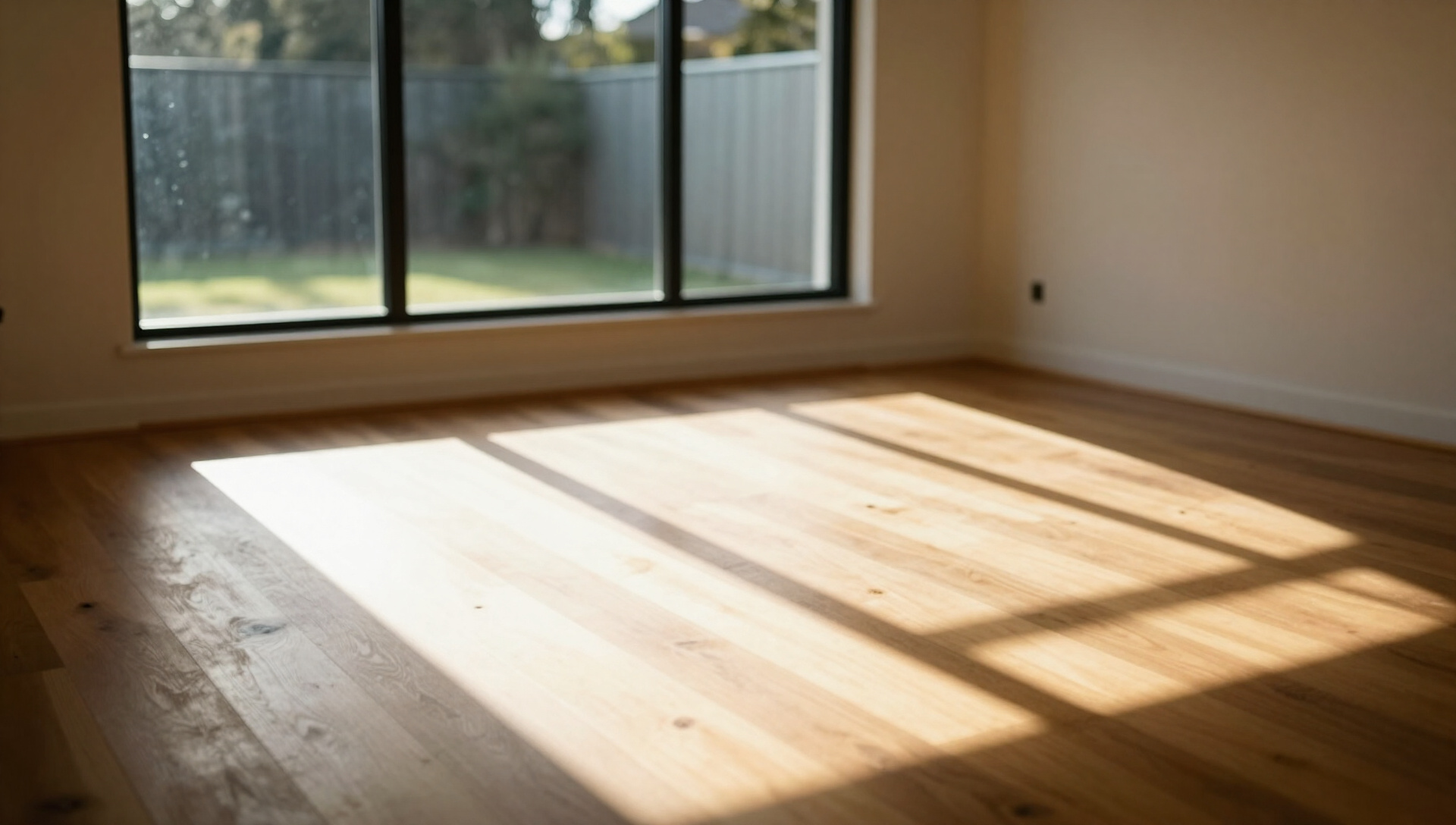
Huntingdale’s cold winters and hot summers make underfloor insulation a smart upgrade. Many homes in the area have suspended timber floors with little or no insulation, leading to cold floors and higher heating costs. Installing batts under the floor improves comfort and energy efficiency year round.
Insulation under the floor reduces heat loss through the timber, so floors stay warmer and the room retains heat longer. This is especially noticeable in Huntingdale’s older homes with exposed subfloors.
Gaps in floorboards and around skirting let cold air in. Underfloor batts block these draughts, making the home feel more sealed and comfortable without affecting required ventilation.
By slowing heat transfer through the floor, the heating system works less to maintain a steady temperature. This can reduce energy use and bills over time.
Properly installed underfloor insulation helps manage moisture in the subfloor, lowering the risk of condensation on cold surfaces and improving indoor air quality.
In two-storey Huntingdale homes, insulating the ground floor ceiling and the subfloor of upper levels evens out temperatures between floors, so upstairs rooms stay warmer in winter.
Quality batts maintain their thickness and R-value for decades if kept dry. We use materials suited to subfloor conditions to ensure lasting thermal resistance.
Installing underfloor insulation requires access to the subfloor, usually through a crawl space or by lifting sections of flooring. We work carefully to fit batts snugly between joists without compressing them, which would reduce their effectiveness.
We check the subfloor for adequate clearance, moisture and existing insulation. If access is limited, we may need to lift floorboards or use a small access hatch to reach the joists.
Batts are measured to fit between joists without gaps or compression. We use the correct width for the joist spacing and the chosen R-value, typically R1.5 to R2.5 for underfloor applications.
Batts are placed snugly between each joist, supported by friction or staples where needed. We avoid covering cables or pipes and leave clearances around any services in the subfloor.
After installation, we check for any gaps around the edges of batts and seal them. We also clean up debris from the subfloor and ensure access points are properly closed.
Huntingdale has many brick veneer and weatherboard homes built on stumps with suspended timber floors. These floors often have no insulation, leading to cold floors and draughts in winter. Underfloor insulation is a straightforward upgrade that improves comfort and reduces energy use without major renovations.
Stop cold floors and draughts with underfloor insulation installed under suspended timber floors in Huntingdale.
Homeowners in Huntingdale often ask about access, R-values and whether underfloor insulation is worth it for older homes. Here are the key details.
Underfloor insulation in Huntingdale is installed between floor joists from the subfloor under suspended timber floors. It is an effective way to stop cold floors and draughts in older homes, especially those built on stumps with a crawl space. The job uses bulk batts made from glasswool, polyester or rockwool, with typical R-values from R1.5 to R2.5 to provide thermal resistance.
Huntingdale’s climate, with cold winters and hot summers, makes underfloor insulation a practical upgrade. Without it, heat escapes through the floor in winter and enters in summer, increasing heating and cooling costs. Insulating the subfloor reduces this heat transfer, improving comfort and energy efficiency. It also helps manage moisture and condensation in the subfloor, which can affect indoor air quality.
The installation process involves accessing the subfloor, measuring and cutting batts to fit between joists, and securing them without compression. Access can be through existing crawl spaces or by lifting floorboards. The time on site depends on the floor area and access, but most Huntingdale homes can be completed in a day. Costs vary with the size of the area, chosen R-value and whether old insulation needs removal.
Call Expert Insulation Melbourne on 0399695249 or email info@expertinsulationmelbourne. com. au to discuss underfloor insulation for your Huntingdale home.