
Lower heating and cooling costs
Up to 40% of a home’s heating energy can escape through an uninsulated ceiling. Adding or upgrading insulation reduces this loss, directly cutting power bills in Huntingdale’s cold winters and hot summers.
Huntingdale
Ceiling insulation fitted between joists in the roof space to stop winter heat loss and summer heat gain in Huntingdale homes. Expert Insulation Melbourne installs glasswool, polyester and rockwool batts with the right R-value for your property.
Share your details and Expert Insulation Melbourne will contact you about Ceiling Insulation in Huntingdale.
Ceiling insulation is the most effective way to reduce heat loss through the roof space in Huntingdale. Installed between ceiling joists, bulk insulation batts trap still air to slow the transfer of heat, keeping your home warmer in winter and cooler in summer. Many Huntingdale houses have thin or compressed old batts that no longer perform, so topping up or replacing them restores thermal resistance and cuts heating and cooling costs.
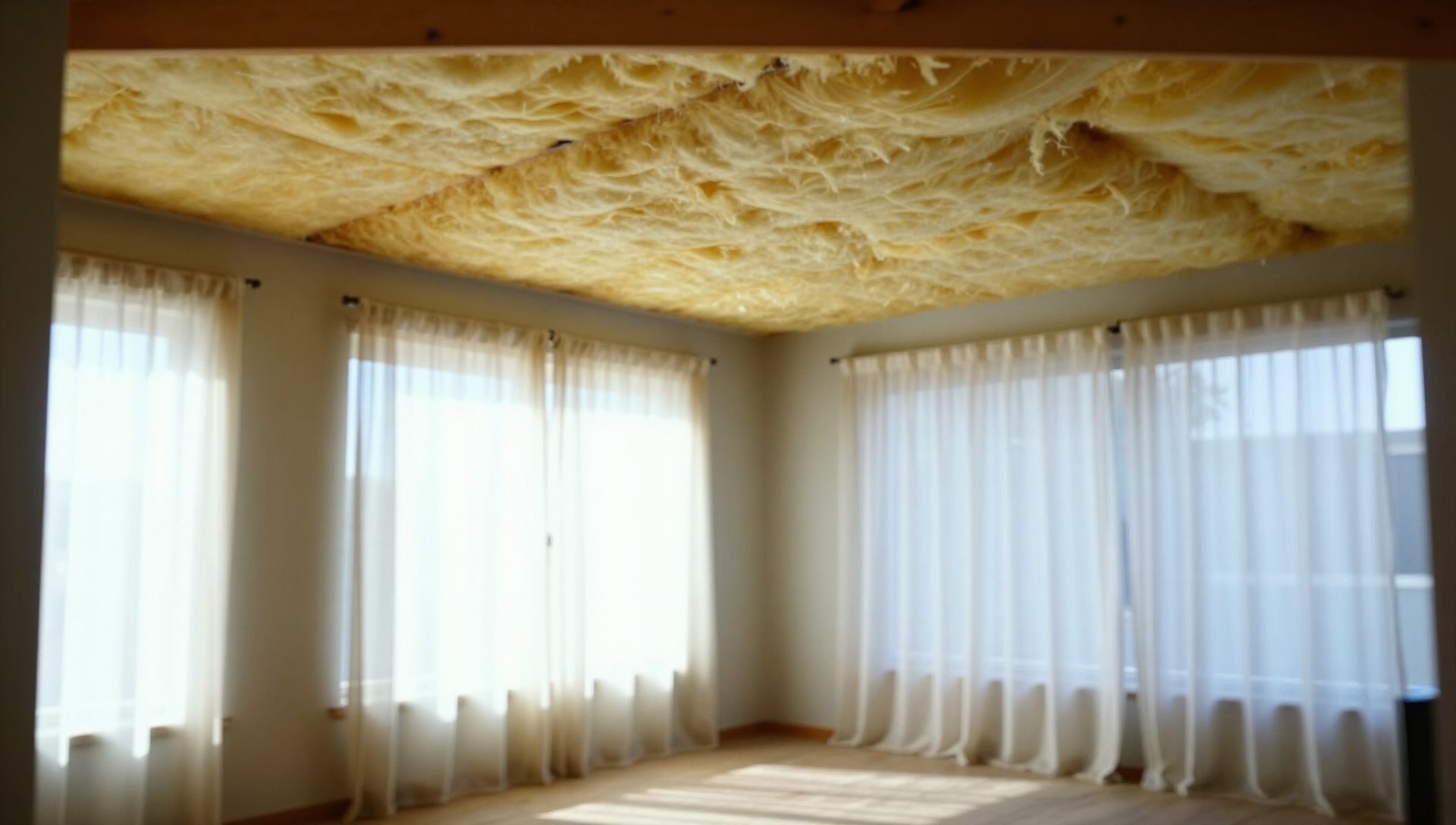
Huntingdale’s mix of older brick veneer and newer homes often suffers from poor ceiling insulation, leading to cold winters and high energy bills. Properly installed batts address the main path of heat loss and provide year-round comfort.
Up to 40% of a home’s heating energy can escape through an uninsulated ceiling. Adding or upgrading insulation reduces this loss, directly cutting power bills in Huntingdale’s cold winters and hot summers.
Bulk insulation evens out indoor temperatures, eliminating cold spots near ceilings and reducing the need for constant heating or cooling. Homes stay warmer in winter and cooler in summer.
A well-insulated ceiling helps prevent condensation forming on cold surfaces in the roof space, which can lead to mould and damage to plaster and timbers over time.
Dense batts absorb airborne noise from outside and between floors, reducing traffic sounds from Huntingdale Road and general neighbourhood noise.
Quality glasswool, polyester or rockwool batts do not settle or degrade over time if installed correctly, maintaining their R-value and thermal resistance for decades.
Glasswool and rockwool are non-combustible, providing an added layer of fire resistance in the roof space compared to some other materials.
We follow a straightforward process to ensure your ceiling insulation is installed safely, effectively and with minimal disruption to your home.
We check access, structural condition, existing insulation, electrical cables, downlights and flues. If old batts may contain asbestos, work stops until a qualified assessor inspects them.
Thin, compressed, wet or damaged batts are removed and disposed of. Loose dust and debris are vacuumed from the roof space before new insulation goes in.
We lay glasswool, polyester or rockwool batts snugly between ceiling joists, butting them together without gaps. Clearances are maintained around downlights, flues and cables as required.
We verify coverage, R-value and that all clearances are correct. The manhole is sealed, and any dust or offcuts are removed from the site.
Huntingdale’s mix of 1960s to 1990s brick veneer homes and newer builds often have underperforming ceiling insulation. Many were installed with minimal batts or have seen them compress over time, leading to poor thermal resistance. Upgrading to modern R4.0 to R6.0 batts restores comfort and efficiency, especially important given Melbourne’s cold winters and hot summers. Nearby suburbs like Oakleigh and Clayton share similar housing stock and climate exposure, making ceiling insulation a practical upgrade across the area.
Expert Insulation Melbourne installs ceiling insulation in Huntingdale homes to cut heat loss and energy costs.
Homeowners in Huntingdale often ask about R-values, access, time on site and whether existing insulation can be topped up. Here are the answers.
Ceiling insulation in Huntingdale targets the primary source of heat loss in most homes. Installed between ceiling joists in the roof space, bulk insulation batts made from glasswool, polyester or rockwool trap still air to slow heat transfer. This keeps living spaces warmer in winter and cooler in summer, directly reducing reliance on heating and cooling systems. For Huntingdale’s brick veneer and newer homes, upgrading from thin or compressed old batts to R4.0 to R6.0 products restores thermal resistance and comfort.
The installation process begins with a roof space inspection to assess access, existing insulation and any hazards like downlights or asbestos. Old, damaged or ineffective batts are removed, and the area is cleaned before new insulation is laid. Batts are fitted snugly between joists without gaps, with clearances maintained around electrical fittings. This ensures the insulation performs at its rated R-value and meets safety standards.
Costs for ceiling insulation in Huntingdale depend on roof pitch, access, floor area, existing insulation and the chosen R-value. Steeper roofs or limited access can increase labour time, while larger homes require more material. Topping up existing batts is often more affordable than a full replacement. Signs your home needs an upgrade include cold ceilings in winter, high energy bills, draughts or visible gaps in the current insulation.
Reduce heat loss and energy costs with ceiling insulation installed by Expert Insulation Melbourne. We service Huntingdale and surrounding suburbs.